When you finish shooting a commercial, trailer, or screen project, the picture might look polished. But sound is often a different story. Dialogue can be thin, background noise creeps in, and the soundtrack might lack the depth that holds an audience's attention. That is where a specialized audio post house becomes essential. These facilities are built around one thing: making your audio work as hard as your visuals.
I have worked on both sides of the glass, as a sound designer and as a producer watching budgets. The difference between a project that sounds good and one that feels immersive often comes down to the room and the people in it. An audio post house is not just a studio with microphones. It is a facility designed for precision. The acoustics are treated, the monitoring is calibrated, and the engineers have spent years learning how to shape sound for specific formats, from broadcast spots to theatrical trailers.
What an Audio Post House Actually Does
At its core, an audio post house handles the entire sonic pipeline after production wraps. This includes dialogue editing, sound design, Foley, ADR, music composition and licensing, voiceover recording and editing, and final mixing. The goal is to deliver a polished soundtrack that matches the creative intent of the director and the technical requirements of the delivery platform.
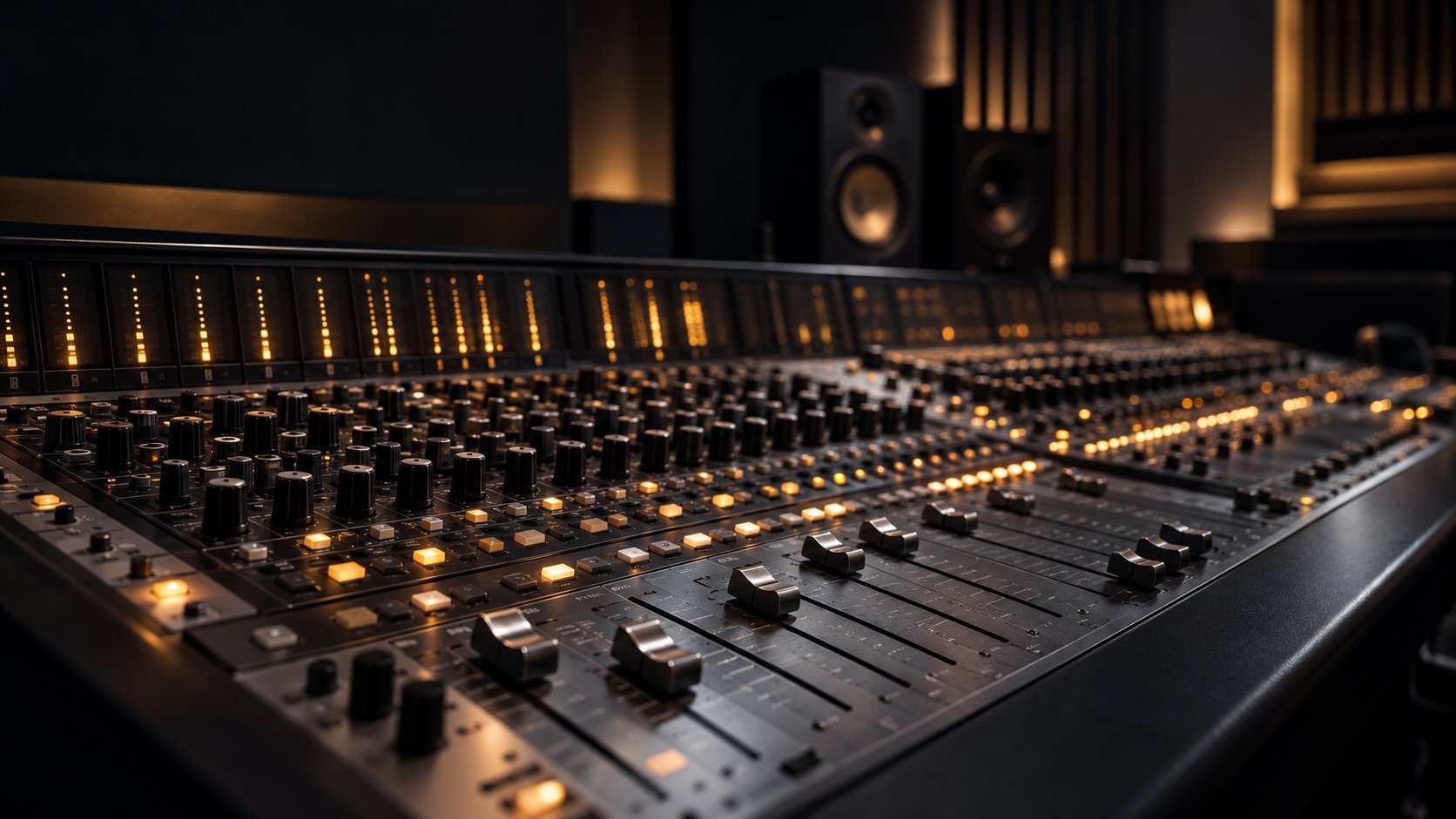
I have seen projects try to save money by having a video editor handle the audio. It rarely works well. Video editing software like Avid Media Composer or Premiere Pro can do basic audio moves, but they lack the routing flexibility, plugin ecosystem, and metering tools that Pro Tools offers in a properly tuned room. A dedicated audio post house runs Pro Tools on systems that are optimized for low-latency work, with high-quality converters and outboard gear that reveal problems before they reach the final master.
The People Behind the Sound
Walk into a good LA post-production facility, and you will find a mix of specialists. The sound designer builds the sonic world from scratch, layering footsteps, cloth movement, and environmental textures that make a scene feel real. The mix engineer balances every element so dialogue stays clear, music supports the mood, and effects hit without overwhelming the track. If there is voiceover work, a producer or director might sit in the control room while the talent performs in the live room, with the engineer punching in and comping takes in real time.
One thing I have learned is that collaboration changes when you work in the same room. Remote sessions work for simple edits, but complex sound design and mixing benefit from being together. You can hear the same thing at the same time. You can say, "That explosion needs more low end," and the mix engineer can dial it in while you listen. That immediacy is hard to replicate over a video call.
Why LA Post-Production Remains a Hub
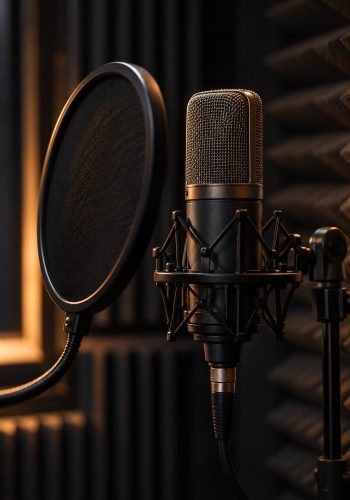
Los Angeles has long been a center for audio post, and for good reason. The city attracts top talent, engineers who have worked on award-winning films, trailers, and commercials. The infrastructure supports everything from small indie projects to major studio releases. An audio post house in LA often has multiple rooms, each tuned for different formats. One room might be set up for Dolby Atmos mixing, with overhead speakers and a large screen. Another might be a voiceover booth with a Neumann microphone and a quiet enough floor to record a whisper.
I have worked in facilities where the same building houses a Foley stage, an ADR suite, and a mix stage. That kind of density matters. When you are on a tight schedule, you can move from recording footsteps to recording dialogue to mixing in a matter of hours, not days. The proximity reduces friction and keeps the creative momentum going.
Commercials, Trailers, and Screen Projects
Different projects demand different approaches. A commercial might need a tight 30-second mix that punches through a noisy environment. A trailer requires dynamic range, quiet moments that build into a wall of sound. A screen project, whether short film or feature, needs consistency across scenes so the audience never notices the audio shifting in quality.
An experienced audio post house understands these distinctions. The mix engineer knows that a commercial mix should be aggressive but not distorted. The sound designer knows that a trailer needs recognizable sounds that hit on specific beats. The Foley artist knows how to create footsteps that match the character's weight and the surface they walk on. These details add up.
Working with Music and Voiceover
Music and voiceover are two areas where a professional facility makes a noticeable difference. If your project needs original music, a composer can work in the same building as the mix stage, writing to picture and adjusting as the mix evolves. If you are using licensed tracks, the mix engineer can edit and blend them so they feel custom. Voiceover recording in a treated room avoids the boxy sound that comes from recording in an untreated space. The engineer can guide the talent on mic technique, distance, and delivery so the take sits well in the mix.
I have recorded voiceover in hotel rooms and in proper studios. The difference is night and day. In a hotel room, you fight air conditioning, traffic, and room reflections. In a studio, you focus on performance. The same principle applies to the entire audio post process. When the room and the gear are right, the creative team can focus on the work.
Practical Considerations
Choosing an audio post house involves more than picking the closest one. Look at the engineers' credits. Ask what format they are mixing in, stereo, 5.1, or Dolby Atmos. Check if they have experience with your type of project. A facility that mostly does music mixing might not have the workflow for ADR or Foley. A place that specializes in trailers will have a different approach than one that focuses on long-form content.
Budget matters, but so does the time you save. A good audio post house can work faster because the engineers know their room, their gear, and their templates. They do not waste time troubleshooting routing or hunting for plugins. They open Pro Tools and start working. That efficiency often makes up for the higher hourly rate compared to a general-purpose studio.
One more thing: ask about the room's calibration. A mix that sounds good in a control room might fall apart when played through a home theater or a phone speaker. A good mix engineer checks the translation across multiple playback systems. That is standard practice in a professional audio post house, but not every facility does it consistently.
Final Thoughts
Sound is half of the experience. Audiences forgive a lot of visual imperfections, but bad audio pulls them out of the moment. Investing in a dedicated audio post house means your project gets the attention it deserves from people who think about sound all day. Whether you are finishing a commercial, a trailer, or a screen project, the right facility and the right team can elevate your work in ways that are hard to achieve otherwise.
Spacewalk Sound, based in Los Angeles, is one such post-production studio that focuses on sound design, music, voiceover, Foley, and mixing. Their team understands the demands of commercial, trailer, and screen project work, and they approach each project with a focus on craft and collaboration. If you are looking for an audio post house that treats your project with the same care you put into the picture, it is worth a conversation.